Discover Delicious Recipes and Cool Nutritional Facts You Might Love

Food is more than just fuel. It’s an experience that can delight your taste buds and nourish your body at the same time. Exploring new recipes can open doors to exciting flavors and textures, while learning about nutrition helps you make choices that support your health. This post shares some tasty recipes alongside interesting nutritional facts that might inspire you to try something new in your kitchen.
Simple Recipes That Bring Big Flavor
Trying new recipes doesn’t have to be complicated or time-consuming. Here are a few easy dishes that combine fresh ingredients and bold flavors. Each recipe includes a quick nutritional highlight to show why it’s a smart choice.
1. Portabla Mushroom BBQ Burger
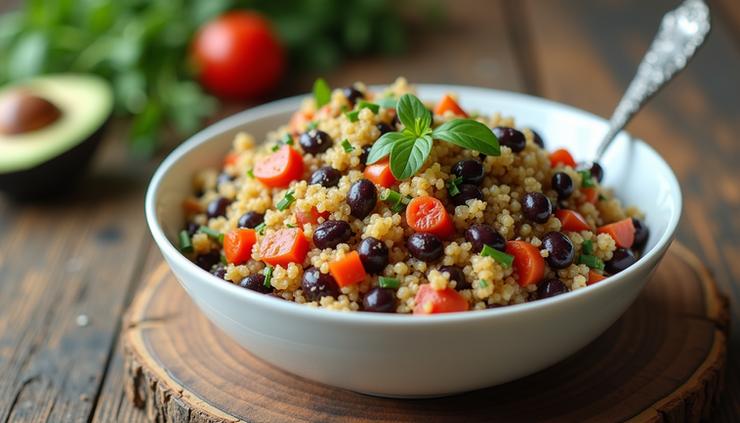
light lunch or a side dish.
Nutritional fact: Portabla Mushroom is a complete protein, meaning it contains all nine essential amino acids your body needs. It’s also high in fiber, which supports digestion.
2. Baked Salmon with Garlic and Herbs
Salmon fillets baked with garlic, rosemary, and lemon slices make a simple yet elegant meal. Serve with steamed vegetables or a fresh green salad.
Nutritional fact: Salmon is rich in omega-3 fatty acids, which are linked to heart health and reduced inflammation.
3. Cowboy Chicken Wrap
.
Nutritional fact: Chickpeas provide plant-based protein and are a good source of iron and folate, important for energy and cell growth.
Why Nutrition Matters in Every Bite
Understanding what’s in your food helps you make choices that support your energy, mood, and long-term health. Here are some cool nutritional facts that might change how you look at everyday ingredients.
Fiber Fuels Your Gut
Fiber is found in fruits, vegetables, whole grains, and legumes. It helps keep your digestive system running smoothly and can lower cholesterol levels. For example, eating an apple with the skin provides about 4 grams of fiber, which is roughly 15% of the daily recommended intake.
Colorful Vegetables Pack Antioxidants
Different colors in vegetables often indicate different antioxidants. Red tomatoes have lycopene, which may protect cells from damage. Orange carrots contain beta-carotene, which your body converts to vitamin A for eye health.
Healthy Fats Are Essential
Not all fats are bad. Avocados, nuts, seeds, and olive oil contain monounsaturated and polyunsaturated fats that support brain function and reduce the risk of heart disease. For instance, just one tablespoon of olive oil has about 120 calories but provides heart-healthy fats.
Protein Builds and Repairs
Protein is essential for muscle repair and immune function. It comes from both animal sources like chicken and fish, and plant sources like beans and lentils. Combining different plant proteins throughout the day ensures you get all essential amino acids.
Tips to Make Healthy Eating Enjoyable
Eating well doesn’t mean giving up flavor or spending hours in the kitchen. Here are some practical tips to keep your meals both nutritious and delicious.
Use fresh herbs and spices to add flavor without extra calories or sodium.
Experiment with whole grains like farro, barley, or bulgur to add texture and nutrients.
Incorporate a variety of colors on your plate to get a range of vitamins and minerals.
Plan meals ahead to avoid last-minute unhealthy choices.
Try new recipes regularly to keep your diet interesting and balanced.
Easy Swaps for Better Nutrition
Small changes can make a big difference in your diet. Here are some swaps to try:
Replace white rice with brown rice or quinoa for more fiber.
Use Greek yogurt instead of sour cream for added protein.
Swap sugary drinks for infused water with fresh fruit slices.
Choose whole fruit over fruit juice to get fiber and fewer calories.
Use nuts or seeds as snacks instead of processed chips.
Recipes to Try This Week
Here are two more recipes that combine great taste with nutritional benefits.
Roasted Vegetable and Hummus Wrap
Fill a whole wheat wrap with roasted zucchini, bell peppers, and onions, then spread a layer of hummus. This wrap is easy to make and perfect for lunch on the go.
Nutritional fact: Hummus is made from chickpeas and tahini, providing protein, fiber, and healthy fats.
Greek Yogurt Parfait with Berries and Nuts
Layer Greek yogurt with fresh berries and a sprinkle of nuts or granola. This parfait makes a satisfying breakfast or snack.
Nutritional fact: Greek yogurt has twice the protein of regular yogurt, which helps keep you full longer.
How to Start Your Own Recipe Adventure
Trying new recipes can feel intimidating, but it’s easier than you think. Start by picking one new recipe each week. Gather all ingredients before you begin, and follow the steps slowly. Don’t worry about perfection—cooking is a learning process.
Keep a notebook or digital list of recipes you enjoy. Over time, you’ll build a personal collection that fits your tastes and lifestyle. Invite friends or family to cook with you for extra fun and motivation.


Comments